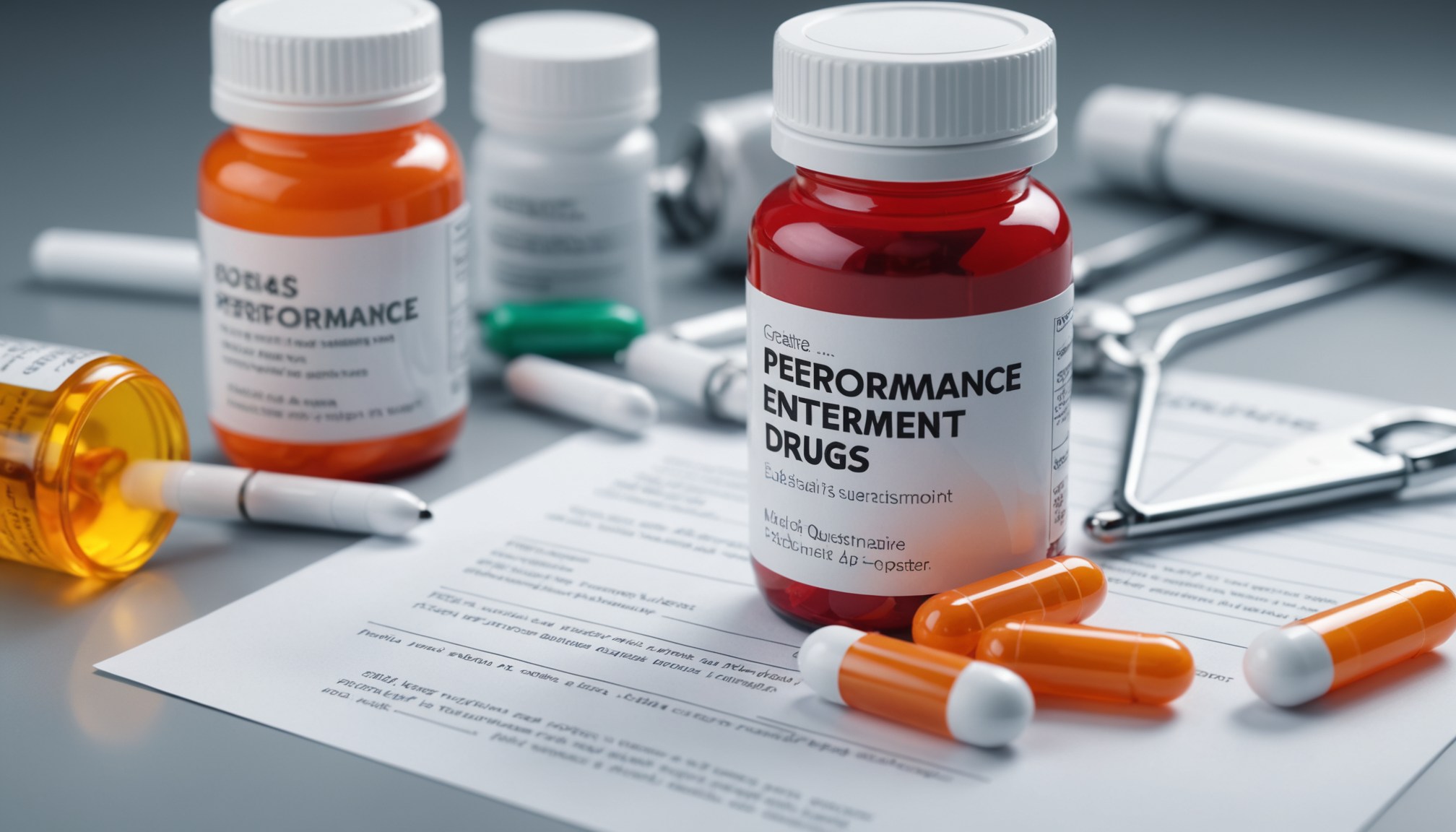
Performance enhancement drugs
Disclaimer: This self‑check questionnaire is for educational purposes only. It does not diagnose any condition and does not replace professional medical advice. If you have concerns, symptoms, or doubts, consult a qualified healthcare professional.
Performance enhancement drugs (sometimes called PEDs) are substances used to improve physical, cognitive, or emotional performance. They can include prescription medications used without supervision, non‑prescribed hormones, stimulants, or supplements marketed for focus, strength, or endurance. This page offers a structured self‑check to help you reflect on risks, patterns, and next steps—especially relevant for students, athletes, and professionals attending conferences or webinars on health, neurodiversity, and wellbeing.
Questionnaire
Check all statements that apply to you within the last 12 months:
- I use substances to boost energy, focus, mood, strength, or endurance beyond normal training or study habits.
- I take prescription stimulants, hormones, or other medications without a prescription or outside prescribed directions.
- I feel pressure from competition (sports, academics, work) to perform at a higher level.
- I have increased the dose or frequency over time to get the same effect.
- I experience sleep problems, anxiety, irritability, or mood swings after use.
- I notice physical changes such as palpitations, tremors, headaches, acne, or weight fluctuations.
- I combine substances (e.g., stimulants with caffeine, supplements, or alcohol).
- I rely on these substances during specific triggers (exams, competitions, deadlines, conferences).
- I continue use despite side effects or advice to stop.
- I hide my use from coaches, clinicians, family, or peers.
- I have a history of heart, mental health, endocrine, or sleep conditions.
- I am under 25 or over 40 and using substances aimed at performance gains.
- I purchase products online with unclear ingredients or claims.
- I feel “crashes” or low mood when I skip a dose.
- I am unsure whether what I’m taking is allowed in my sport or workplace.
- I’ve noticed changes in attention, social interaction, or sensory tolerance that affect daily life.
How to interpret answers
This is not a diagnosis. Use the guide below to decide whether to seek advice:
- Low reason to seek help: Few items checked, no side effects, transparent use under medical guidance.
- Medium reason to seek help: Several items checked, emerging side effects, increased reliance, or uncertainty about safety.
- High reason to seek help: Many items checked, significant symptoms, hidden use, dose escalation, or medical history that raises risk.
Next steps: what to do
- Self‑monitor: Note when and why you use substances and how you feel afterward.
- Record symptoms: Track sleep, mood, heart rate, appetite, focus, and recovery.
- Review ingredients: Verify labels and avoid products with undisclosed blends.
- Consult a specialist: Start with a primary care physician; consider sports medicine, psychiatry, or endocrinology if relevant.
- Prepare questions: Ask about interactions, safer alternatives, and monitoring plans.
- Reduce risk: Avoid mixing substances; prioritize hydration, nutrition, and rest.
- Seek education: Attend evidence‑based webinars or conferences focused on health and neurodiversity.
| Situation | Urgency | Action |
|---|---|---|
| Mild side effects after occasional use | Low | Pause use; monitor; review lifestyle factors |
| Increasing dose or combining substances | Medium | Book a medical review; bring product list |
| Chest pain, severe anxiety, fainting | High | Seek urgent medical care |
FAQ
- Are all performance enhancers illegal?
- No. Some are legal supplements or prescribed medications, but misuse or unsupervised use increases risk.
- Can cognitive enhancers affect mental health?
- They may influence anxiety, sleep, and mood—especially at higher doses or when combined.
- Do “natural” supplements guarantee safety?
- No. “Natural” does not equal safe; quality and interactions vary.
- How long do risks last?
- Effects can be short‑term or persist, depending on substance, dose, and duration.
- What about neurodivergent individuals?
- Responses can differ; individualized medical guidance is important.
- Where can I learn more responsibly?
- Look for evidence‑based education through reputable conferences and webinars.
Explore related learning and community resources:
- Conference Blog insights from April 25th events
- Free Autism Webinars Each Month
- Virtual Autism Conference sessions and archives
Sources
- World Anti‑Doping Agency (WADA) — Health risks and prohibited substances
- National Institute on Drug Abuse (NIDA) — Performance‑enhancing drugs
- U.S. Food & Drug Administration (FDA) — Dietary supplements and safety
- Mayo Clinic — Stimulants, hormones, and health effects